
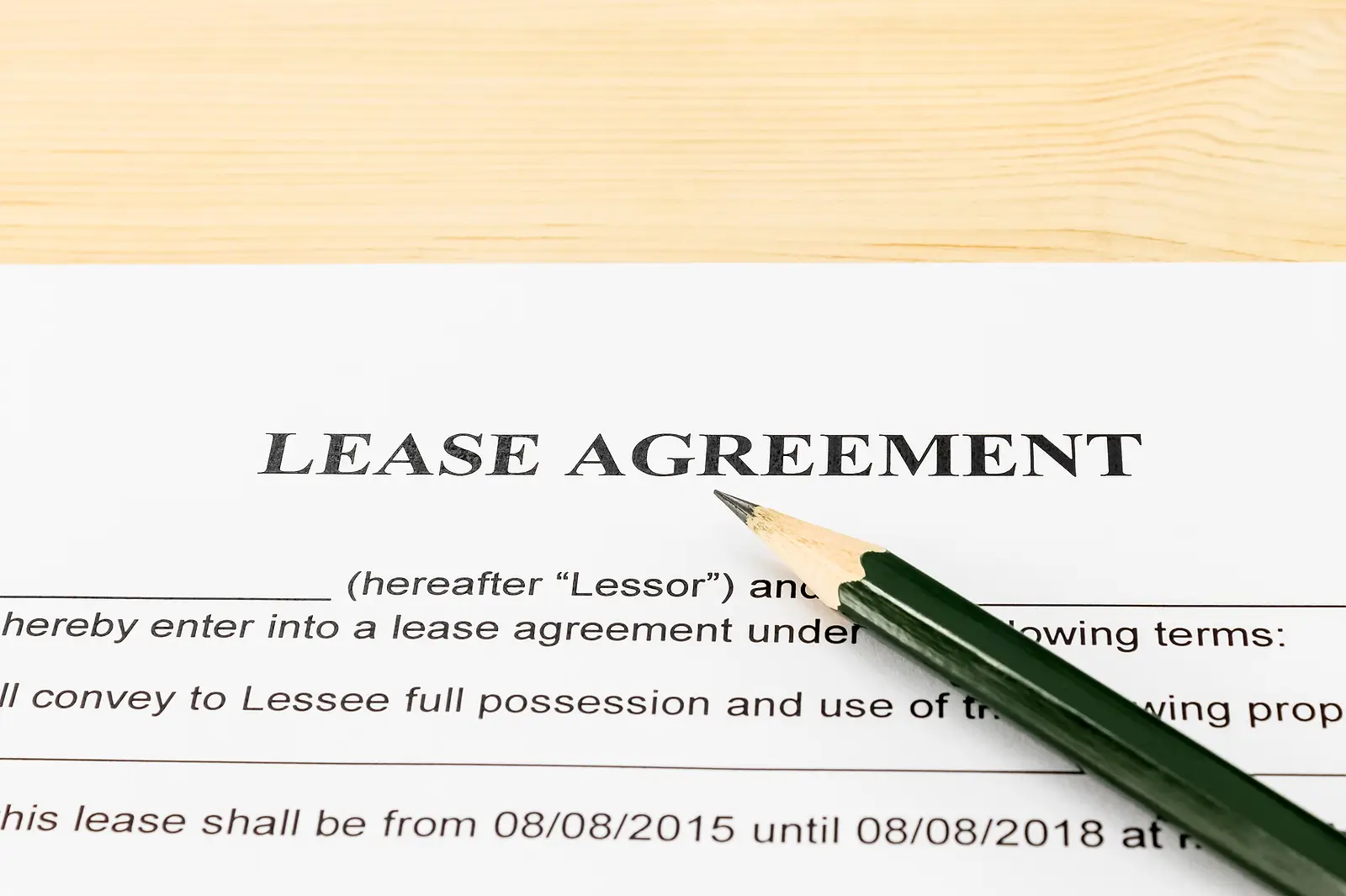
Owning rental property in San Jose, CA, can provide strong financial returns, but it also comes with legal responsibilities. In California’s highly regulated rental market, even small misunderstandings between landlords and tenants can turn into expensive disputes. One of the most effective ways to reduce risk and protect an investment property is through a well-written lease agreement.
Lease documents establish the legal foundation of the landlord-tenant relationship. They define expectations, outline responsibilities, and provide a framework for resolving issues when problems arise. Without a detailed and legally compliant lease, property owners may struggle to enforce rules, recover damages, or handle disputes effectively.
Key Takeaways
Detailed lease agreements help reduce legal disputes and clarify tenant responsibilities.
Clear documentation strengthens a landlord’s ability to enforce rental terms legally.
California rental laws require lease agreements to remain accurate and compliant.
Professional property management systems help maintain organized and enforceable records.
Why Lease Agreements Matter in San Jose
San Jose landlords operate within one of the most heavily regulated rental markets in California. Local ordinances, state housing laws, and tenant protections all affect how rental properties must be managed.
A lease agreement is more than a basic contract.
It is a legal document that establishes:
Rent payment terms
Lease duration
Maintenance responsibilities
Property rules and restrictions
Procedures for handling violations
When disputes occur, the lease often becomes the primary document used to determine whether a landlord acted properly and whether a tenant violated the agreement.
Without detailed lease language, enforcing policies becomes far more difficult.
Clear Lease Terms Help Prevent Misunderstandings
Many landlord-tenant conflicts begin with unclear expectations. If a lease does not specifically address an issue, both parties may interpret the situation differently.
Strong lease agreements help prevent disputes by clearly outlining:
When rent is due
Late fee policies
Guest limitations
Pet policies
Maintenance reporting procedures
Move-out requirements
When tenants understand their obligations upfront, misunderstandings become less common. Clear communication also improves the overall rental experience and encourages stronger tenant relationships.
Detailed lease documents protect both the property owner and the tenant by creating consistency and accountability from the start of the tenancy.
Lease Agreements Support Legal Enforcement
Lease violations can quickly become costly if proper documentation is not in place. Whether dealing with unpaid rent, unauthorized occupants, or property damage, landlords need legally enforceable agreements to support corrective action.
In California, eviction procedures must follow strict legal standards. If a lease is incomplete or contains outdated language, it may weaken a landlord’s position during legal proceedings.
Proper lease documentation helps property owners:
Issue enforceable notices
Support claims in court
Document tenant obligations
Reduce liability exposure
Accurate records and organized lease files are essential when handling disputes or legal actions.
Maintenance Responsibilities Must Be Clearly Defined
One of the most common sources of landlord-tenant conflict involves maintenance and repair responsibilities. California law requires landlords to maintain habitable living conditions, but tenants also have responsibilities regarding property care and damage reporting.
A strong lease agreement should clarify:
How tenants report maintenance issues
Which repairs are the landlord's responsibility
Expectations for property cleanliness
Procedures for emergency repairs
Clear guidelines reduce confusion and encourage faster communication when problems arise.
Partnering with a professional maintenance coordination team also helps ensure repairs are handled promptly and documented properly. Organized maintenance systems not only protect the property’s condition but also strengthen legal protection if disputes occur later.
Lease Compliance Changes over Time
California rental laws continue to evolve, especially in high-demand areas like San Jose. Lease agreements that were legally compliant several years ago may now contain outdated clauses or missing disclosures.
Property owners must regularly review lease documents to ensure compliance with:
State housing laws
Fair housing regulations
Local rent ordinances
Required disclosures
Using outdated lease templates can expose landlords to legal risk and financial penalties. Staying current with legal requirements is essential for protecting rental investments.
Professional property management companies often update lease language regularly to reflect changes in California regulations and local ordinances.
Financial Documentation Protects Property Owners
Lease agreements work together with financial records to support legal protection and operational organization. Accurate financial tracking helps landlords verify payment history, document fees, and maintain records that may become important during disputes.
Organized accounting systems help property owners:
Track rent payments accurately
Monitor security deposits
Maintain financial documentation
Prepare records for legal or tax purposes
Using reliable accounting services creates a structured financial system that supports both daily operations and long-term property management goals.
Strong financial documentation can also strengthen a landlord’s position if collection efforts or legal proceedings become necessary.
Tenant Screening and Lease Protection Work Together
Even the strongest lease agreement cannot fully protect a landlord from a problematic tenant. Proper tenant screening remains a critical part of reducing legal and financial risk.
Screening helps identify applicants with stable income, positive rental history, and reliable financial habits. When qualified tenants are placed, lease violations and disputes become less likely.
Many costly rental problems begin when landlords rush the screening process or fail to verify applicant information carefully. Consistent screening procedures reduce the chances of future legal conflicts and improve overall tenant retention.
Property owners who apply structured tenant evaluation methods often experience fewer lease disputes, lower turnover, and stronger long-term rental performance.
Security Deposit Terms Must Be Specific
Security deposit disputes are another common legal issue between landlords and tenants in California.
Lease agreements should clearly explain:
Deposit amounts
Conditions for deductions
Cleaning expectations
Move-out procedures
California law requires landlords to follow strict timelines and documentation standards when returning security deposits. A detailed lease agreement helps establish expectations early and provides supporting documentation if deductions become necessary.
Clear move-out instructions also reduce confusion and help tenants understand how to avoid unnecessary charges.
Organized Documentation Reduces Legal Risk
Proper documentation extends beyond the lease itself.
Property owners should maintain organized records for:
Signed lease agreements
Inspection reports
Maintenance requests
Payment history
Communication with tenants
These records can become critical if disputes escalate into legal proceedings.
Professional property management systems help centralize documentation and create consistent recordkeeping practices. Organized files improve operational efficiency while also strengthening legal protection.
FAQs
1. Are written lease agreements required in California?
California law allows oral rental agreements in some situations, but written leases provide significantly stronger legal protection and clearer documentation for both landlords and tenants.
2. How often should lease agreements be updated?
Lease agreements should be reviewed regularly to ensure compliance with current California laws and local San Jose rental regulations.
3. Can landlords create their own lease agreements?
Yes, but self-created leases may miss important legal disclosures or contain outdated language. Professionally prepared lease agreements help reduce legal risk.
4. Why are maintenance clauses important in a lease?
Maintenance clauses clarify responsibilities for repairs, reporting procedures, and property care expectations, helping reduce disputes between landlords and tenants.
Protect Your Rental Property with Fireside Property Management
Strong lease agreements are one of the most important tools for protecting rental property owners in San Jose. Clear documentation, organized records, and legally compliant policies help reduce disputes, improve tenant relationships, and support long-term investment success.
Fireside Property Management provides professional leasing, tenant screening, maintenance coordination, and financial management services designed to protect your property and reduce legal risk. Our team stays current with California regulations so property owners can operate with greater confidence.
To strengthen your rental property operations and protect your investment, contact us today and learn how professional management can support your long-term goals.
